Unlocking the Power of Retro Tribal Arrow: Vintage Hand Drawn Decorative Elements for Modern Design
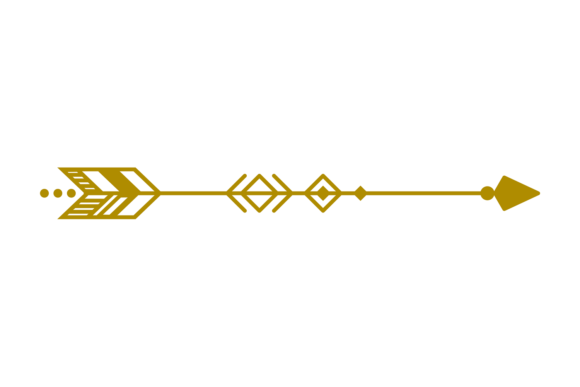
In a digital landscape often dominated by sleek, minimalist interfaces and perfectly rendered 3D graphics, there is a distinct charm found in imperfection. This is where the Retro Tribal Arrow steps in, offering a tactile connection to the past while serving as a versatile tool for contemporary creators. Specifically, when we talk about the Vintage Hand Drawn D and its accompanying decorative divider style, we are looking at more than just an image; we are looking at a design language that bridges the gap between ancient storytelling and modern vector precision.
These assets are not merely decorative flourishes. They are functional components that can define the mood of a brand, guide the reader's eye, or add a layer of authenticity to a project that feels mass-produced. Whether you are designing a festival poster, a boutique packaging label, or a blog header, understanding how to integrate these elements effectively can elevate your work from standard to standout.
The Aesthetic Appeal of Hand-Drawn Imperfection
Why does a Retro Tribal Arrow resonate so deeply with designers today? The answer lies in the "hand-drawn" aspect. In an era where algorithms can generate flawless symmetry in seconds, human touch has become a luxury commodity. A vintage hand-drawn element carries the subtle variations of a sketch—a slight wobble in the line, a textured edge, or an organic curve that no perfect geometric shape can replicate.
This aesthetic serves a specific purpose: it creates trust. When a user sees a Vintage Hand Drawn D used as a decorative divider, their brain registers the effort behind the creation. It suggests craftsmanship, heritage, and care. This is particularly effective for brands that want to communicate values like sustainability, artisanal quality, or community connection. The tribal motifs often associated with these arrows bring a sense of primal energy and cultural depth, grounding modern designs in something timeless.
The visual texture of these vectors allows them to blend seamlessly into complex layouts without feeling out of place. Unlike flat, solid icons that can sometimes look sterile, the intricate linework of a retro tribal arrow adds weight and presence to a composition. It acts as a visual anchor, drawing attention to key areas without shouting for dominance.
From Sketch to Vector: Technical Advantages
One of the most significant benefits of acquiring these assets in EPS and JPG formats is the flexibility they offer. The transition from a physical sketch to a digital vector file preserves the artistic integrity while unlocking scalability. Imagine trying to use a scanned photograph of a tribal arrow on a massive billboard; the pixels would break down, ruining the effect. However, a vector-based Retro Tribal Arrow maintains its crisp lines regardless of size.
- Scalability: You can shrink the Vintage Hand Drawn D down to a tiny bullet point in a list or expand it to cover an entire website banner without losing resolution.
- Editability: As a vector file (EPS), you have control over every stroke. You can change the color to match a brand palette, adjust the thickness of the lines, or even isolate specific parts of the tribal pattern.
- File Versatility: Having both EPS and JPG versions means you are prepared for any workflow. Use the EPS for professional editing in Adobe Illustrator, and the high-resolution JPG for quick mockups or web previews where vector support might be limited.
This dual-format approach ensures that whether you are working in a print studio or a remote digital agency, the asset fits your technical requirements perfectly. It removes the friction of conversion and allows the creative process to flow uninterrupted.
Practical Applications in Modern Workflows
The utility of these vintage elements extends far beyond simple decoration. In modern workflows, the Retro Tribal Arrow and similar hand-drawn dividers are strategic tools used to structure content and enhance user experience.
Editorial and Web Design
When writing long-form content, readers often suffer from "wall of text" fatigue. A Vintage Hand Drawn D used as a section divider can break up dense paragraphs, providing a visual breath of fresh air. It guides the reader's eye naturally from one topic to the next, improving readability. Furthermore, in editorial design, these arrows can serve as drop caps or accent markers, adding a bespoke feel to magazine layouts or online articles.
Branding and Packaging
For small businesses and startups, establishing a unique identity is crucial. Using a Retro Tribal Arrow in logo design or product packaging can instantly differentiate a brand from competitors using generic stock imagery. Think of craft beer labels, organic skincare bottles, or indie clothing lines. The tribal motif evokes a sense of ruggedness and authenticity that appeals to consumers looking for genuine products.
Social Media and Marketing
In the fast-paced world of social media, stopping the scroll is the primary goal. A graphic featuring a bold, hand-drawn tribal arrow can act as a focal point in an Instagram story or a Pinterest pin. The contrast between the retro style and modern typography creates a dynamic tension that captures attention. Marketers often use these elements to highlight calls-to-action, such as "Shop Now" buttons or newsletter sign-ups, making them stand out against clean backgrounds.
Considerations for Selection and Usage
While the potential of these assets is vast, successful integration requires thoughtful consideration. Not all vintage styles are created equal, and choosing the right Retro Tribal Arrow depends heavily on the context of your project.
- Consistency is Key: If you choose a highly detailed, complex tribal arrow, ensure it doesn't clash with other elements in your design. Pairing a rough, hand-drawn divider with a hyper-modern, sans-serif font can create a jarring dissonance unless done intentionally. Aim for a harmonious balance between the old and the new.
- Color Palette Management: These vectors often come in black and white, but their true power emerges when colorized. Consider the psychology of color. Earth tones like terracotta, olive green, and deep brown complement the tribal theme beautifully. However, don't be afraid to use neon accents to create a "retro-futuristic" vibe that appeals to younger demographics.
- Legal and Licensing: Always verify the licensing terms of the vector files. While many platforms offer free downloads, commercial use may require a premium license. Ensure that you have the rights to modify the Vintage Hand Drawn D and distribute it as part of your final product, especially if you are selling merchandise.
- Resolution and Format: Remember the importance of the source file. If you need to print large banners, rely on the EPS vector. If you are optimizing for web speed, convert the image to a lightweight SVG or optimized JPG after editing. Never stretch a low-resolution raster image to fit a large space.
Integrating Cultural Sensitivity
It is important to acknowledge that "tribal" motifs often draw inspiration from indigenous cultures around the world. When incorporating a Retro Tribal Arrow into your designs, it is wise to do so with respect and awareness. Avoid appropriating sacred symbols or specific patterns that hold deep cultural significance to a particular group unless you have permission or are collaborating with members of that community.
Instead, focus on the general aesthetic qualities—the geometric patterns, the flow of the lines, and the vintage texture. By treating these elements as stylistic inspirations rather than direct cultural replicas, you can enjoy the rich visual history they offer without crossing ethical boundaries. This approach ensures that your design remains respectful while still leveraging the powerful visual impact of the retro style.
Final Thoughts on Creative Expression
The journey of design is one of constant evolution, yet it always circles back to the basics of communication and emotion. The Retro Tribal Arrow and the Vintage Hand Drawn D represent a bridge between those two worlds. They remind us that design is not just about solving problems; it is about telling stories, evoking feelings, and creating connections.
By integrating these hand-drawn elements into your projects, you add a layer of soul that algorithms cannot replicate. Whether you are crafting a logo, laying out a brochure, or designing a website, these assets provide the texture and character needed to make your work memorable. Embrace the imperfections, experiment with the scales, and let the vintage spirit guide your modern creativity. With the right application, a simple arrow can become the defining feature of a masterpiece.