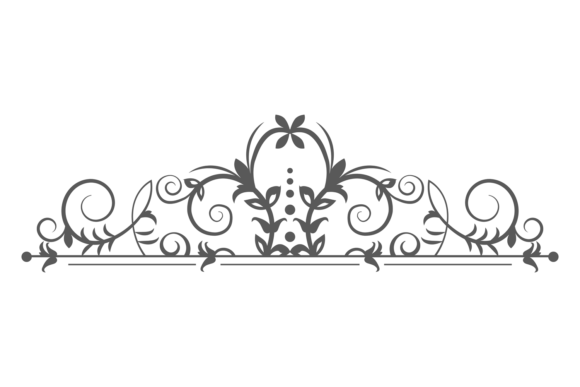
Vintage Filigree Corner. Hand Drawn Deco
There is a distinct allure to the Vintage Filigree Corner. Hand Drawn Deco. It captures a specific aesthetic that modern, sterile vector graphics often lack: warmth, history, and a touch of organic imperfection. Whether you are designing a wedding invitation, branding for an artisanal bakery, or creating content for a heritage-focused blog, this decorative element serves as more than just a border; it acts as a visual anchor that signals quality and attention to detail. However, simply downloading a file labeled "Vintage Filigree Corner" does not guarantee a successful design outcome. Many creators fall into the trap of assuming that because an asset looks good in a thumbnail, it will integrate seamlessly into their project. This article explores the nuances of using hand-drawn deco elements, highlighting common pitfalls and offering practical advice for achieving professional results.
Understanding the Asset: More Than Just a PNG
When searching for assets like the Vintage Filigree Corner. Hand Drawn Deco, you will encounter various file formats, typically including EPS, JPG, SVG, and transparent PNG. Each format serves a different purpose, and misunderstanding their capabilities can lead to frustration later in your workflow. A JPEG version might look crisp on a screen but will lack the scalability needed for large-format printing. Conversely, while an EPS or SVG file offers infinite scalability, it may require specific software knowledge to edit the paths if you wish to adjust the thickness of the lines or remove unwanted segments.
The term "hand drawn" implies a certain level of irregularity. Unlike machine-generated geometric patterns, hand-drawn filigree features subtle variations in line weight and curvature. This is its greatest strength, allowing it to blend naturally with typography and photographs. However, it also means that precision alignment can be trickier. If you are placing these corners on a digital interface, ensure they do not appear pixelated by checking the resolution at 100% zoom. For print materials, always verify that the DPI (dots per inch) meets industry standards, usually 300 DPI, to avoid blurry edges when the design is reproduced.
Common Integration Mistakes
One of the most frequent errors designers make is ignoring the context of the background. The Vintage Filigree Corner. Hand Drawn Deco is isolated on a white background in its preview images, which is helpful for inspection but misleading for application. When you place this element onto a dark or textured background without properly adjusting its opacity or color balance, it can look pasted on rather than integrated. A light-colored filigree on a dark background may lose its delicate details, making the design feel heavy and cluttered.
Another oversight involves scale and proportion. Filigree designs are intricate; they contain fine lines and small loops that can get lost if scaled down too much. Conversely, scaling them up excessively without converting them to vector format first will result in jagged, low-quality edges. Beginners often stretch these elements non-uniformly, distorting the elegant curves into awkward shapes. Always maintain the aspect ratio unless you have a specific artistic reason to distort, and even then, do so with caution.
The Color Trap
It is easy to assume that black is the only option for vintage deco elements. While classic elegance often relies on high-contrast black-on-white or gold-on-cream palettes, restricting yourself to monochrome limits your creative potential. Modern design trends often pair vintage filigree with muted pastels, deep jewel tones, or even desaturated earth tones. However, before changing the color, check the original file. If you downloaded a raster image (JPG/PNG), you cannot easily recolor the lines without affecting the transparency mask. Vector files (SVG/EPS) allow for easy color manipulation, giving you the flexibility to match your brand palette precisely.
Evaluating Quality Before You Commit
Not all "hand-drawn" assets are created equal. Some are genuinely traced from antique illustrations, preserving the soul of the original artist. Others are digitally generated algorithms mimicking a hand-drawn style, resulting in repetitive patterns that feel artificial upon close inspection. When evaluating a Vintage Filigree Corner. Hand Drawn Deco, look for consistency in line quality. Genuine hand-drawn elements will show slight variations in pressure and flow. If every loop is identical in width and curve, it is likely a digital reproduction lacking character.
Additionally, consider the complexity of the design relative to its intended use. A highly detailed filigree corner works beautifully on a business card or a book cover where viewers examine the item closely. On a mobile website header, however, such detail may disappear or create visual noise. Choose simpler variants for digital interfaces where space is limited and viewing distance is greater. Always preview your design at the final size before committing to a purchase or download.
Practical Tips for Seamless Application
To maximize the impact of your Vintage Filigree Corner. Hand Drawn Deco, treat it as part of a composition rather than an afterthought. Here are several strategies to enhance your designs:
- Layering and Opacity: Reduce the opacity of the filigree to 70–80% when layering it behind text or over photographs. This creates depth and prevents the decorative element from competing with your primary message.
- Color Harmonization: Use color adjustment tools to tint the filigree so it matches the dominant hues in your image. This unifies the composition and makes the decoration feel intentional.
- Strategic Placement: Avoid centering the corner element. Place it in the margins or corners of your layout to frame the content. This guides the viewer’s eye inward toward the main subject.
- Vector Editing: If you have access to vector editing software, break apart the complex paths of the filigree. Remove any internal lines that might clash with text or other graphic elements. Simplifying the design can often improve readability and aesthetic appeal.
Conclusion
The Vintage Filigree Corner. Hand Drawn Deco is a versatile tool that can elevate a design from ordinary to exceptional. By understanding the technical aspects of file formats, avoiding common integration errors, and carefully selecting high-quality assets, you can harness the power of vintage aesthetics effectively. Remember that the goal is not just to decorate, but to communicate. Let the filigree support your message, adding texture and history without overwhelming the core content. With thoughtful application, these hand-drawn elements become more than just borders; they become an integral part of your visual storytelling.