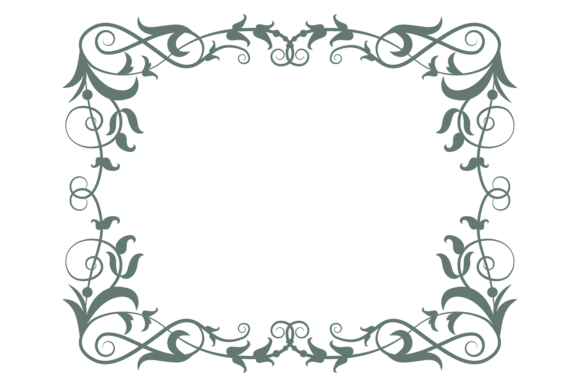
Reviving Elegance: The Timeless Appeal of Filigree Frames and Retro Baroque Borders in Modern Design
In the fast-paced world of digital design, where minimalism often reigns supreme, there remains a distinct and enduring fascination with ornate, intricate details. Among these decorative elements, the Filigree Frame combined with a Retro Baroque Border stands out as a masterpiece of visual storytelling. These designs are not merely decorative; they represent a bridge between historical grandeur and contemporary utility. Whether you are designing a wedding invitation, creating a vintage-style logo, or enhancing a social media post, understanding the nuances of these frames can elevate your work from simple to spectacular.
This article explores the artistry behind the decorative rectangle isolated on white background, delving into its origins, its practical applications in modern life, and why formats like EPS, JPG, SVG, and transparent PNG are essential for designers today.
Understanding the Aesthetics: What Defines a Filigree and Baroque Style?
To truly appreciate a Filigree Frame, one must first understand the terminology that defines it. Filigree is an ancient art form involving delicate metalwork, typically using fine wires of gold or silver twisted together to create lace-like patterns. When translated into graphic design, this translates to intricate, swirling lines that mimic the texture of lace or woven metal.
Similarly, the Retro Baroque Border draws inspiration from the Baroque period (roughly 1600–1750), an era known for its dramatic detail, opulence, and movement. Unlike the rigid symmetry of classical styles, Baroque designs flow organically, featuring scrolls, acanthus leaves, and floral motifs that seem to dance around the edges of a composition.
When these two styles merge, they create a decorative rectangle that feels both structured and fluid. The frame acts as a visual boundary that commands attention without overwhelming the content within. It suggests luxury, history, and craftsmanship, making it a powerful tool for brands and individuals who wish to convey a sense of prestige or nostalgia.
The Role of Isolation and Backgrounds
A critical aspect of modern graphic assets is the ability to adapt them to various contexts. This is why high-quality versions of these frames are often provided as a decorative rectangle isolated on a white background. In the past, designers were limited by the background color of their source material. Today, having a clean, isolated asset allows for seamless integration into any project.
Imagine placing a dark, ornate frame onto a bright, pastel website header. If the original image had a complex background, the transition would be jarring. However, with an isolated version, the designer has complete control over the placement, ensuring the frame floats elegantly above the content, drawing the eye exactly where it needs to go.
Why These Formats Matter: EPS, JPG, SVG, and Transparent PNG
The versatility of a design asset is often determined by its file format. For professionals working with Filigree frames and Retro baroque borders, understanding the strengths of different file types is crucial for maintaining quality across mediums.
- SVG (Scalable Vector Graphics): This is the gold standard for web and print scalability. An SVG file contains mathematical instructions rather than pixels, meaning you can resize a filigree frame from a tiny social media icon to a massive billboard without losing a single line of detail. It is perfect for responsive web design where crisp edges are non-negotiable.
- EPS (Encapsulated PostScript): Often used in professional printing and vector editing software like Adobe Illustrator, EPS files allow designers to edit individual components of the border. If you need to change the color of a specific scroll or adjust the thickness of a wire, an EPS file gives you that level of granular control.
- PNG (Portable Network Graphics) with Transparency: The transparent PNG is indispensable for web use and photo manipulation. Because it supports alpha channels, the "white background" disappears, leaving only the intricate frame. This allows you to layer the retro baroque border over photographs, textures, or gradient backgrounds effortlessly.
- JPG (Joint Photographic Experts Group): While less flexible for editing, JPGs are universally compatible and ideal for quick sharing or situations where file size matters more than editability. They are perfect for email signatures or basic web banners where the design does not require further modification.
By offering a collection that includes all these formats—EPS, JPG, SVG, and transparent PNG—designers ensure that their creative vision remains intact regardless of the platform or medium being used.
Practical Applications in Modern Life and Business
You might wonder, in an age of flat design and brutalist aesthetics, where does a highly ornate filigree frame fit in? The answer lies in the power of contrast and emotional connection. Here are several ways these elements are currently reshaping industries:
Wedding and Event Planning
The most traditional use of the Retro Baroque Border is in the realm of weddings and formal events. Couples often seek to evoke a sense of timeless romance. A decorative rectangle isolated on white background can serve as the centerpiece for an invitation suite, framing the couple's names or the event details. The intricate details of the frame suggest a day filled with care and elegance, setting the tone before the guest even opens the card.
E-Commerce and Branding
For businesses selling luxury goods, artisanal products, or vintage items, a filigree frame can act as a visual seal of quality. Imagine an online jewelry store displaying a necklace within an ornate border. The frame doesn't just hold the image; it contextualizes the product as something precious and handcrafted. It signals to the customer that the brand values tradition and detail.
Digital Content and Social Media
Content creators often struggle to make their posts stand out in a crowded feed. Using a retro baroque border as a template for Instagram stories or YouTube thumbnails can instantly differentiate a creator's brand. By adding a touch of classic beauty to modern video content, creators tap into the psychological association of "premium" and "exclusive."
Education and Historical Preservation
In educational settings, these frames are invaluable for teaching design history. Teachers can use a decorative rectangle to illustrate the evolution of typography and layout. Furthermore, museums and historical societies use these digital assets to digitize old documents, providing a digital frame that respects the original aesthetic while making the content accessible online.
Common Misunderstandings About Ornamental Design
Despite their popularity, there are misconceptions about using Filigree frames and Baroque borders. One common error is assuming that "more is better." Beginners often overload a design with too many decorative elements, resulting in a cluttered mess that obscures the message.
The key to success is balance. A filigree frame should enhance the content, not compete with it. If the text inside the frame is small or dense, a heavy border will make it unreadable. Conversely, if the content is sparse, a delicate frame adds the necessary weight to the composition.
Another misconception is that these styles are strictly for "old-fashioned" projects. While they have deep historical roots, the principles of ornamentation are universal. With the right color palette and font pairing, a Retro Baroque Border can look surprisingly modern and chic, blending seamlessly with contemporary photography and minimalist layouts.
Conclusion: Embracing the Art of Detail
The Filigree Frame and Retro Baroque Border are more than just leftover trends from the past; they are dynamic tools that offer depth, character, and sophistication to any design project. Whether you are utilizing a decorative rectangle isolated on white background for a high-end print campaign or a transparent PNG for a quick social media update, these assets provide a level of polish that is hard to achieve with simpler geometric shapes.
As we continue to navigate a digital landscape dominated by speed and efficiency, there is a growing appreciation for the slow, deliberate beauty of hand-crafted aesthetics. By incorporating these intricate frames into our work, we honor the traditions of the past while pushing the boundaries of modern creativity. So, the next time you need to frame a story, a product, or an idea, consider the transformative power of a well-designed filigree frame.