Wildflowers Collection: A Practical Guide to Floral Design Assets
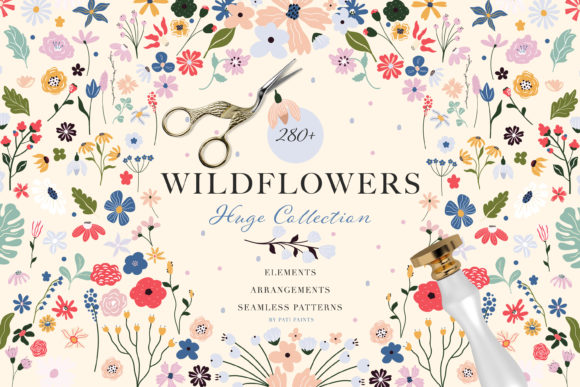
Designing with nature-inspired elements often requires a balance between organic charm and structural precision. When you are looking to elevate a project, whether it is a wedding invitation suite, a brand identity for a boutique, or a digital course cover, the quality of your visual assets plays a pivotal role. The Wildflowers Collection offers a comprehensive solution for creators who need high-quality, versatile floral graphics without starting from scratch. This collection is not just a bundle of images; it is a structured toolkit designed to streamline the creative process while maintaining aesthetic integrity.
The core value of this graphic set lies in its completeness. By providing a unified ecosystem of elements, patterns, and arrangements, it eliminates the common frustration of mismatched styles or inconsistent color palettes that often occur when sourcing assets from multiple vendors. For professionals and hobbyists alike, having access to a cohesive library means less time searching and more time creating.
Understanding the Components of the Wildflowers Collection
To appreciate how the Wildflowers Collection can serve your specific needs, it is helpful to break down exactly what is included in the package. The collection is curated into three distinct categories, each serving a different function in the design workflow.
Complete Arrangements for Immediate Impact
The first component includes 12 complete arrangements. These are pre-composed bouquets sized approximately 11” x 15” in PNG format. These files are ready-to-use, meaning they come with transparent backgrounds, allowing you to place them directly onto any canvas without needing complex masking tools. This is particularly useful for:
- Print-on-Demand Products: Quickly placing a bouquet on t-shirts, mugs, or tote bags.
- Event Stationery: Using full arrangements as central focal points for save-the-dates or thank-you cards.
- Social Media Graphics: Creating eye-catching posts where a strong visual anchor is needed immediately.
Because these are high-resolution PNGs, they retain their clarity even when scaled, which is essential for both digital display and professional printing.
Versatile Individual Elements for Customization
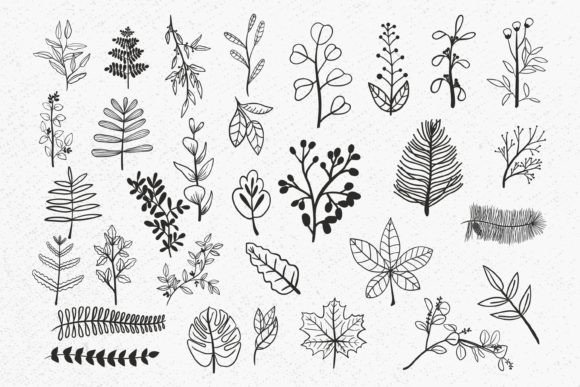
For designers who prefer to build their own compositions, the collection provides 250 individual elements. Each element is sized approximately 3” x 12” in PNG format. This variety allows for immense flexibility. You are not limited to using pre-made bouquets; instead, you can mix and match stems, leaves, and blooms to create unique designs that fit your exact color scheme or theme.
This level of customization is invaluable for:
- Brand Identity Creation: Small business owners can craft a logo or watermark that feels bespoke rather than generic.
- Educational Materials: Teachers and educators can create custom worksheets or certificates with specific thematic elements.
- Digital Planners: Bloggers and freelancers can design unique headers and dividers that stand out in a crowded market.
The separation of elements also means you can isolate specific flowers to use as accents, borders, or subtle background textures, adding depth to your projects without overwhelming the main content.
Seamless Patterns for Backgrounds and Textures
The third pillar of the Wildflowers Collection consists of 20 seamless patterns, available in both 12” x 12” PNG and JPEG formats. Seamless patterns are tiles that repeat perfectly, making them ideal for covering large areas such as website backgrounds, wrapping paper designs, fabric prints, or scrapbook pages.
Having these patterns in two formats ensures compatibility across different software platforms. JPEGs are smaller in file size and widely supported, making them efficient for web use, while PNGs preserve transparency if you intend to layer them over other graphics. This duality supports a wider range of technical requirements, ensuring that marketers and developers can implement these assets smoothly.
Practical Applications Across Industries
The versatility of the Wildflowers Collection makes it relevant to a broad spectrum of users. Here is how different professionals might integrate these assets into their workflows to improve efficiency and output quality.
Entrepreneurs and Small Business Owners
For those running online stores or service-based businesses, visual consistency is key to building trust. Using the Wildflowers Collection allows entrepreneurs to maintain a cohesive look across their marketing materials. Whether you are designing an email newsletter header using one of the seamless patterns or creating product mockups with the individual elements, having a ready-made library reduces the cost and time associated with hiring a custom illustrator. It enables small teams to produce polished, professional-grade visuals that compete with larger brands.
Content Creators and Bloggers
In the digital content space, engagement is often driven by visual appeal. Bloggers can use the 12 arrangements to create featured images that capture attention in social media feeds. Furthermore, the individual elements can be used to decorate blog post headers or sidebars, breaking up text-heavy content and guiding the reader’s eye. The seamless patterns can serve as subtle backdrops for quotes or call-out boxes, enhancing readability while adding a touch of elegance.
Educators and Presenters
Educational resources benefit greatly from engaging visuals. Instructors can use the floral elements to create visually appealing worksheets, quizzes, or presentation slides. The natural theme of wildflowers can help soften the tone of academic or training materials, making them feel more approachable. The ability to customize layouts using the 250 individual elements ensures that no two presentations look identical, keeping audiences engaged.
Strategic Considerations for Implementation
While the Wildflowers Collection offers significant advantages, it is important to approach its usage with strategic intent. To maximize the value of these assets, consider the following practical tips.
Consistency in Color Palettes
Although the collection provides a wide range of elements, it is crucial to ensure that the colors align with your overall brand or project theme. If you are working within a strict corporate guideline, you may need to adjust the hue or saturation of the floral elements to match your primary branding colors. Most modern design software allows for easy color correction, so do not hesitate to tweak the assets to fit your specific context.
Layering and Composition
The true power of the 250 individual elements lies in layering. Instead of placing a single flower flatly on the page, try overlapping stems and leaves to create depth. Use the arrangement files as inspiration for composition, then deconstruct them using the individual elements to create something new. This approach not only prevents your designs from looking like stock templates but also demonstrates a higher level of creative skill.
File Management and Organization
With 282 files in total (12 arrangements + 250 elements + 20 patterns), organizing your workspace is essential. Create folders for "Arrangements," "Elements," and "Patterns" before you begin designing. This habit will save you time during the creative process, allowing you to focus on design rather than file hunting. Additionally, keep track of which patterns work best with which arrangements to build your own internal reference guide for future projects.
Conclusion
The Wildflowers Collection represents a thoughtful investment for anyone seeking to enhance their visual communications with high-quality floral graphics. By offering a mix of ready-made arrangements, customizable elements, and versatile patterns, it caters to a wide array of design needs. Whether you are a seasoned designer looking to speed up your workflow or a beginner wanting to create professional-looking materials, this collection provides the tools necessary to achieve your goals. As you explore the possibilities, remember that the best results come from experimenting with the assets, combining them creatively, and always keeping your audience’s experience in mind.