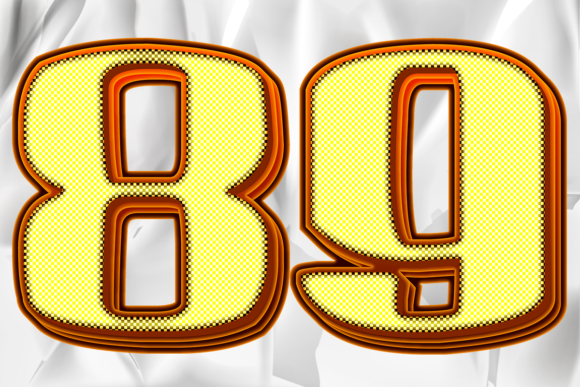
Optimizing Workflow with PNG Number Design Images Transparent for Professional Graphic Projects
In the realm of digital graphic design, precision and versatility are paramount. Designers frequently encounter scenarios where numerical data needs to be integrated into compositions that require transparency, scalability, and high-resolution clarity. This is where PNG Number Design Images Transparent becomes an essential asset. These resources are not merely simple digits; they are carefully crafted vector illustrations designed to blend seamlessly into complex layouts while maintaining visual integrity across various media formats.
The core value of these assets lies in their dual availability in raster (PNG) and vector (EPS/AI) formats. This duality addresses the most common pain points in design workflows: the need for crisp edges at any scale and the ability to place graphics over transparent backgrounds without unwanted white boxes or clipping issues. For professionals aged 20–50 who manage diverse projects ranging from social media graphics to print brochures, understanding the technical nuances of these number sets is crucial for efficient production.
Understanding the Composition of Vector Number Sets
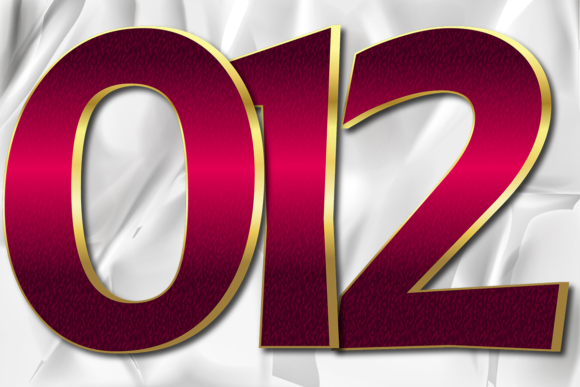
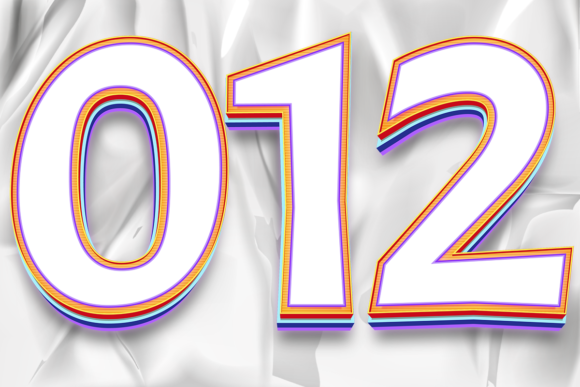
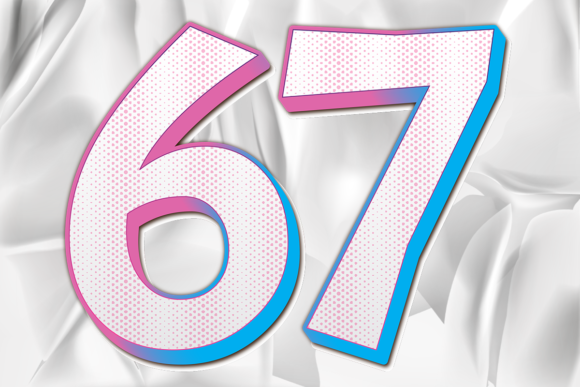
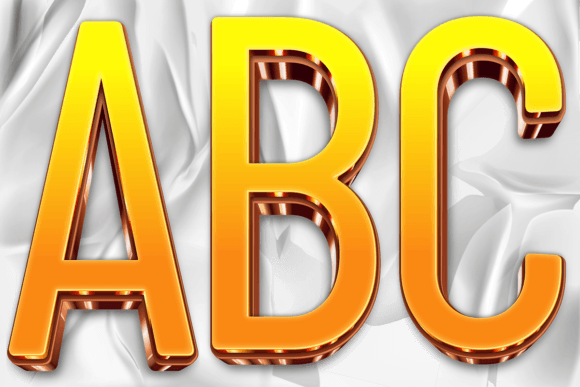
A standard set of number transparent PNG and EPS file graphic design images typically comprises ten distinct pieces, covering the full range from zero to nine. What distinguishes a premium set from a generic one is the decorative style applied to each digit. These are often stylized with ornamental flourishes, geometric precision, or thematic elements that align with specific brand identities or artistic visions.
The foundation of these designs is built using Adobe Illustrator CC 2017. While this specific version is cited as the creation tool, it is important to note that vector files are generally backward compatible only to a certain extent, but forward compatibility is robust. Therefore, if you are using a higher version such as Adobe Illustrator CC 2018, CC 2020, or even the latest Creative Cloud iterations, you will encounter no problems opening or editing these files. The structural integrity of the vector paths remains intact, allowing designers to manipulate anchor points, adjust curves, and modify colors without loss of quality.
File Format Breakdown and Utility
When evaluating a resource pack, the included file extensions dictate its potential applications. A comprehensive download usually includes three primary formats:
- EPS File: Encapsulated PostScript files are industry-standard vector formats. They are ideal for large-format printing, such as billboards or banners, where scaling up from a small icon to a massive display must not result in pixelation. EPS files retain all vector data, ensuring that the decorative strokes of the numbers remain sharp regardless of size.
- AI File: As the native format for Adobe Illustrator, the AI file provides the most editable source code for the design. This is the preferred choice for designers who intend to deconstruct the number styles, extract individual elements, or merge them with other vector artwork. It offers maximum flexibility for customization.
- PNG File: Portable Network Graphics provide a rasterized version with a transparent background. This format is indispensable for web design, user interface (UI) mockups, and quick compositing in software like Photoshop or Canva. The "transparent" aspect is critical, as it allows the numbers to sit atop any background color or image without a visible bounding box.
Comparative Analysis: Vector vs. Raster Approaches
To make an informed decision about when to use PNG Number Design Images Transparent, it is helpful to compare them against alternative approaches, such as using standard system fonts or creating custom raster shapes manually.
System Fonts vs. Decorative Vector Numbers
Many designers might opt to type numbers using standard fonts like Helvetica or Times New Roman. While convenient, this approach lacks the decorative flair found in specialized illustration sets. System fonts are utilitarian and rarely offer the ornamental details that can elevate a design’s aesthetic appeal. Furthermore, relying on system fonts introduces licensing risks and consistency issues across different operating systems. In contrast, a dedicated set of number png file graphics ensures that the visual style is locked in and consistent, regardless of the device used to view the final output.
Custom Raster Creation vs. Pre-Made Vector Sets
Creating number shapes manually in Photoshop using layer styles or brushes is time-consuming and difficult to scale. Once a shape is rasterized, it cannot be scaled infinitely without losing resolution. By utilizing a vector-based solution like the number eps file variant, designers save significant time. The ability to edit the path data means that minor adjustments—such as thickening a stroke or adjusting kerning—can be done in seconds rather than hours of manual painting.
Decision Factors: When to Choose This Resource
Selecting the right asset depends heavily on the end-use of the project. Below are practical scenarios where this specific combination of formats shines.
Scenario 1: Multi-Platform Branding
If you are designing a brand identity package that includes both print collateral and digital ads, having access to both EPS and PNG versions of the same number design is invaluable. You can use the number ai file to create scalable logos for packaging, while simultaneously exporting the PNG version for website headers or social media stories. This unified asset library ensures brand consistency across all touchpoints.
Scenario 2: Complex Layered Compositions
In photo manipulation and composite art, transparency is key. Standard clipart often comes with white backgrounds that require tedious erasing or masking. PNG Number Design Images Transparent arrive with alpha channels already baked in. This allows for immediate placement over photographs, gradients, or textured backgrounds. The transparency ensures that the numbers feel like an organic part of the scene rather than a sticker pasted on top.
Scenario 3: High-Stakes Print Production
For editorial design, such as magazine covers or event posters, numbers often serve as focal points. The decorative styles in these sets add character and hierarchy to the text. Using the EPS or AI file ensures that when the document is sent to a commercial printer, the lines are crisp and the colors are accurately represented via CMYK conversion. This is particularly important for metallic or foil effects that might be simulated in the vector file.
Tradeoffs and Limitations
No single resource is perfect for every situation. While PNG Number Design Images Transparent offer significant advantages, there are tradeoffs to consider.
Software Dependency
While the PNG files can be opened in almost any image viewer, the true power of the EPS and AI files requires vector-capable software like Adobe Illustrator, CorelDRAW, or Affinity Designer. If your workflow relies exclusively on lightweight tools or mobile apps that do not support vector editing, you may find yourself limited to using only the PNG exports. However, given the prevalence of professional design suites, this limitation affects a minority of users.
Stylistic Specificity
Decorative number sets often come with a specific aesthetic theme—be it vintage, modern geometric, or hand-drawn. If your project requires a minimalist, sans-serif numeric style, a highly ornate decorative set may clash with your overall design language. It is essential to evaluate the visual tone of the number transparent PNG set against your project’s mood board before integrating it. The best fit occurs when the decorative elements complement, rather than compete with, the surrounding typography and imagery.
Evaluating Quality and Compatibility
When sourcing or reviewing these assets, several factors determine their usability. First, check the complexity of the vector paths. Highly intricate decorative numbers may have thousands of anchor points, which can slow down performance in older computers. Second, verify the color mode. Ensure that the vector files are set up in the appropriate color space (RGB for screen, CMYK for print) or are easily convertible. Finally, inspect the transparency in the PNG files. High-quality PNGs should have clean edges without anti-aliasing artifacts or halos around the numbers.
The fact that these files were created in Adobe Illustrator CC 2017 suggests a mature, stable structure. Vectors created in slightly older versions often have cleaner, more optimized paths compared to those generated by newer features that introduce unnecessary complexity. For designers using CC 2018 and above, this stability is a benefit, as it reduces the likelihood of unexpected glitches during editing.
Conclusion on Integration
The integration of PNG Number Design Images Transparent into your workflow represents a strategic choice for efficiency and quality. By providing a complete suite of formats—EPS, AI, and PNG—these assets cater to the entire lifecycle of a design project, from initial concept sketching to final print production. They eliminate the friction of format conversion and background removal, allowing designers to focus on composition and creativity.
Whether you are enhancing a digital dashboard, designing a luxury wedding invitation, or creating a dynamic web banner, having access to high-quality, decorative number vectors is a significant advantage. The transparency feature ensures seamless blending, while the vector nature guarantees scalability. For professionals seeking to elevate their numerical typography beyond standard fonts, this set offers a robust, versatile, and visually striking solution. Evaluating your specific project needs against the strengths of these formats will help you determine if this resource aligns with your current design goals.