Mastering Easter Typography: A Comprehensive Guide to Design, Decor, and Digital Assets
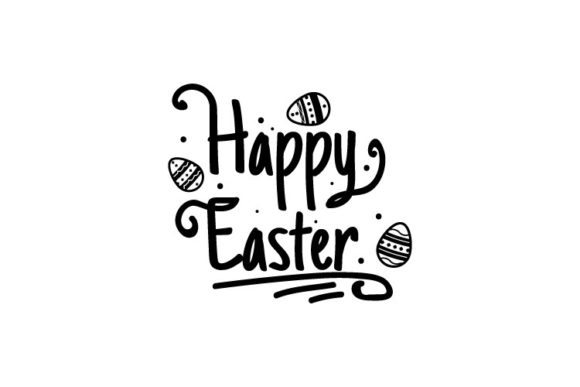
Easter is more than just a holiday; it is a vibrant celebration of renewal, spring, and community. For designers, marketers, and creative enthusiasts, the period leading up to Easter offers a unique opportunity to create engaging visual content that resonates with audiences on an emotional level. At the heart of this seasonal design wave lies Happy Easter lettering typography design, often paired with intricate egg decorative elements. Whether you are preparing for a print campaign, designing digital social media posts, or creating physical decorations, understanding the nuances of these assets can significantly elevate your creative output.
This article explores the art and utility of Easter-themed typography and egg motifs, detailing why they matter, how they are used in modern contexts, and what technical specifications—such as AI, EPS, SVG, PNG, and JPG formats—mean for your workflow.
The Significance of Easter Lettering Typography
Typography is the voice of design. When we speak of Happy Easter lettering typography design, we are referring to the artistic arrangement of text that conveys warmth, joy, and festivity. Unlike standard fonts, custom lettering designs incorporate personality through curves, flourishes, and thematic integration. In the context of Easter, this often means soft, rounded edges that mimic the shape of eggs or bunnies, and color palettes that reflect pastel spring tones.
The purpose of using specialized typography extends beyond mere readability. It sets the tone for the viewer’s experience. A bold, blocky font might feel too industrial for an Easter greeting, whereas a flowing script with decorative swashes immediately signals celebration and elegance. This distinction is crucial for brands looking to align themselves with the gentle, hopeful spirit of the season.
Why Custom Lettering Stands Out
In a digital landscape saturated with generic templates, custom Happy easter lettering typography design offers a competitive edge. It allows creators to:
- Establish Brand Identity: Consistent use of unique lettering styles helps build brand recognition over time.
- Enhance Emotional Connection: Hand-crafted or stylized text feels more personal and thoughtful than default system fonts.
- Adapt Versatility: Well-designed typography can be scaled and manipulated without losing quality, making it suitable for everything from business cards to billboards.
The Art of Egg Decorative Elements
If typography provides the message, the egg decorative element provides the visual anchor. The egg is one of the most enduring symbols of Easter, representing life, rebirth, and new beginnings. However, in design terms, "egg decorative" refers to a broad category of graphical assets that include realistic illustrations, abstract patterns, and stylized icons featuring eggs.
These elements serve multiple functions in design composition. They can act as standalone focal points, such as a beautifully patterned egg in the center of a poster, or as supporting details, like small egg shapes filling negative space in a background pattern. The versatility of egg graphics allows them to fit into various aesthetic styles, from traditional religious themes to modern, minimalist spring collections.
Integrating Eggs into Backgrounds and Layouts
One of the most effective ways to use egg decorative elements is in background design. By repeating egg shapes in varying opacities, sizes, and colors, designers can create depth and texture without overwhelming the primary text. This technique is particularly useful for:
- Social Media Banners: Creating an immersive backdrop that draws the eye to the central call-to-action.
- Print Materials: Adding subtle elegance to invitation cards, flyers, and packaging.
- Digital Presentations: Providing a festive yet professional look for corporate Easter newsletters or event slides.
Technical Formats: Understanding Your Design Files
When sourcing or creating Happy Easter lettering typography design and egg decorative assets, the file format is just as important as the visual design itself. Different formats serve different purposes in the design lifecycle. Below is a breakdown of the common file types you will encounter, specifically focusing on the suite often provided in professional design packs: Ai, Eps, Svg, Png, and Jpg.
Vector Formats: Ai, Eps, and Svg
Vector graphics are mathematical representations of images, meaning they can be scaled infinitely without losing quality. This makes them essential for large-format printing and versatile design applications.
- AI (Adobe Illustrator): This is the native format for Adobe Illustrator. It retains all editable layers, paths, and effects. If you plan to make significant changes to the typography or egg shapes, starting with an .AI file is ideal. It allows you to modify individual strokes, adjust colors, and rearrange elements with precision.
- EPS (Encapsulated PostScript): Similar to AI, EPS is a vector format compatible with many graphic design programs. It is often used for transferring files between different software environments or for older printing systems. While slightly less flexible than AI for editing, it remains a robust standard for high-quality print production.
- SVG (Scalable Vector Graphics): SVG is the gold standard for web design. Because it is XML-based, SVG files load quickly and remain crisp on any screen resolution, including Retina displays. If your element design is intended for websites, apps, or digital signage, SVG ensures your Happy easter lettering typography design looks sharp on mobile phones, tablets, and desktops alike.
Raster Formats: Png and Jpg
Raster images are made up of pixels. While they cannot be scaled up without losing quality, they are perfect for specific use cases where vectors are unnecessary or unsupported.
- PNG (Portable Network Graphics): PNG supports transparency, which is a critical feature for overlaying egg decorative elements onto other backgrounds. If you want to place a cluster of illustrated eggs on top of a photo or a colored background without a white box around them, PNG is the go-to format. It also supports lossless compression, preserving image detail.
- JPG (Joint Photographic Experts Group): JPG is best for photographs and complex gradients. While less ideal for line-art typography due to compression artifacts, it is widely supported and produces smaller file sizes. Use JPG when you need a quick preview image or when the final output does not require transparency or extreme scalability.
Practical Applications in Modern Life and Business
The intersection of Happy Easter lettering typography design and egg decorative elements has practical relevance across various sectors. Understanding these applications helps businesses and individuals maximize the value of their design assets.
Marketing and Advertising
For small businesses and retailers, Easter represents a peak shopping season. Effective marketing materials rely on strong visual hierarchy. A well-designed flyer featuring elegant lettering and playful egg graphics can capture attention in a crowded inbox or physical mailbox. The key is balance: ensure the typography clearly communicates the offer while the decorative elements enhance the festive mood without distracting from the message.
Event Planning and Decoration
In the realm of event design, background creation is vital. Whether organizing a church fellowship dinner, a school spring festival, or a corporate luncheon, customizable vector files allow event planners to create cohesive themes. You can take an SVG egg pattern and scale it up to create wall murals, or use AI files to design custom table runners and banners. The ability to edit these files ensures that branding colors can be matched perfectly to the event’s theme.
Education and Creativity
For educators and parents, these design assets offer opportunities for hands-on learning. Teachers can use printable PNG versions of Happy Easter lettering typography design to create classroom posters, bulletin boards, or student worksheets. Parents can use SVG files with cutting machines (like Cricut or Silhouette) to create personalized ornaments, cards, and party favors. This bridges the gap between digital design and tangible, real-world creativity.
Common Misconceptions About Seasonal Design
While Easter design is generally straightforward, there are a few misconceptions that can hinder effectiveness.
Misconception 1: Simplicity is Boring. Many designers believe that festive designs must be cluttered with many elements to look "Easter-like." However, modern trends favor clean, minimalistic layouts where the typography takes center stage, supported by subtle egg motifs. Less is often more, allowing the message to breathe.
Misconception 2: One Size Fits All. Assuming that a single design asset works for every platform is a mistake. A logo designed for a business card may not translate well to a Facebook header. Always utilize the correct file format for the medium. Use AI/EPS/SVG for scalable needs and PNG/JPG for fixed-size digital displays.
Conclusion
The combination of Happy Easter lettering typography design and egg decorative elements creates a powerful visual language that celebrates the spirit of the season. By understanding the significance of these design choices and leveraging the full potential of available file formats—from the editability of AI and EPS to the web-readiness of SVG and the transparency of PNG—you can create impactful designs for print, decoration, and digital backgrounds.
Whether you are a seasoned graphic designer crafting a comprehensive brand campaign or a hobbyist looking to add a personal touch to your Easter celebrations, mastering these assets opens up a world of creative possibilities. Embrace the flexibility of vector graphics, respect the importance of file selection, and let your creativity bloom this Easter.