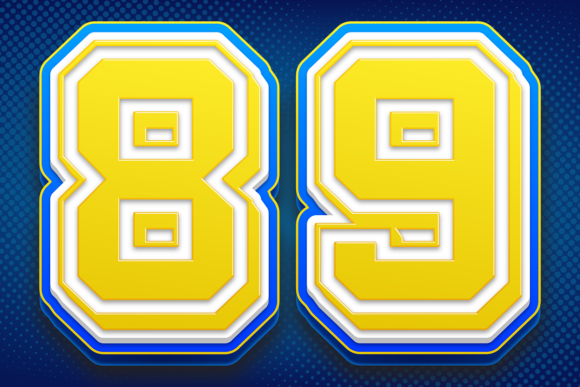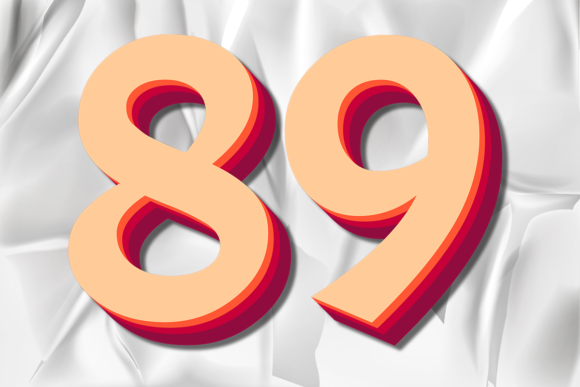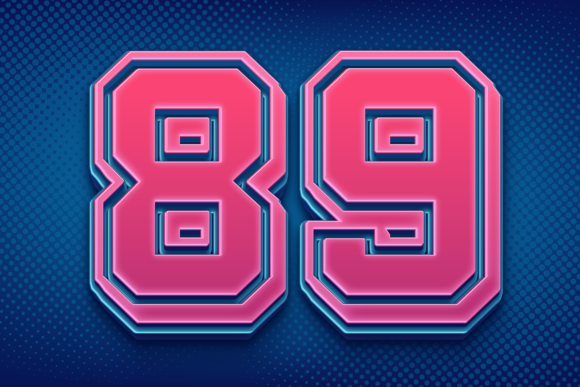
Graphic Image Design Numbers Vector File
In the realm of digital design, precision and scalability are non-negotiable. Whether you are crafting a logo for a startup, designing a billboard for a local business, or creating educational materials for a classroom, the visual elements you choose must perform flawlessly across various mediums. This is where vector graphics distinguish themselves from raster images. Among the most commonly requested assets in graphic design projects are numerical figures. While often overlooked as simple placeholders, numbers carry significant weight in branding, data visualization, and user interface design. The Graphic Image Design Numbers Vector File represents a specialized solution for designers who require high-quality, decorative numerals that can be scaled infinitely without loss of quality.
This specific asset set is not merely a collection of digits; it is a curated library of ten distinct pieces, ranging from number 0 to number 9. Each numeral is crafted with decorative styles that add character and visual interest to any project. By providing these numbers in multiple file formats, including EPS, AI, and PNG, this resource ensures compatibility with a wide array of professional workflows. Understanding how to integrate these files into your daily operations can significantly enhance both the efficiency and the aesthetic outcome of your design work.
Understanding the Technical Foundation
To fully appreciate the utility of this asset pack, one must first understand the underlying technology. These numbers are created using Adobe Illustrator CC 2017. This specification is crucial for users who need to edit the paths, colors, or shapes of the individual numbers. Because the source file is native to Adobe Illustrator, designers have full access to the vector points, allowing for granular customization. If you are working with Adobe Illustrator CC 2018 or any subsequent version, you will encounter no compatibility issues. In fact, newer versions often offer enhanced performance and additional features that can further refine the appearance of these vector shapes.
The decision to use vector-based numbers rather than static images stems from the need for versatility. A raster image, such as a standard JPEG or a low-resolution PNG, becomes pixelated when enlarged. In contrast, a vector file uses mathematical equations to define lines and curves. This means that whether you are printing a number on a tiny business card or projecting it onto a large stage backdrop, the edges remain crisp and clean. For professionals in marketing and publishing, this reliability is essential for maintaining brand integrity across all touchpoints.
File Formats and Workflow Integration
The availability of the Graphic Image Design Numbers Vector File in three distinct formats—EPS, AI, and PNG—caters to different stages of the design process and various software environments. Each format serves a specific purpose within a typical creative workflow.
- EPS (Encapsulated PostScript): This legacy format is widely supported by almost all desktop publishing applications, including Adobe InDesign and CorelDRAW. It is an excellent choice for sending files to printers or collaborating with team members who may not have the latest version of Adobe Creative Cloud. The EPS file preserves the vector data while ensuring broad compatibility.
- AI (Adobe Illustrator): As the native format, the AI file offers the highest level of editability. If you need to adjust the thickness of a stroke, change the gradient fill, or manipulate the bezier curves of a specific digit, this is the file you should open. It is ideal for the initial design phase where experimentation and modification are key.
- PNG (Portable Network Graphics): While vectors are powerful, there are times when a rasterized image is necessary, particularly for web design or presentations. The included PNG files feature transparent backgrounds, allowing the numbers to be placed over any color or image without a distracting white box. This is especially useful for overlaying text on photos or creating layered compositions in software like Photoshop or Canva.
When integrating these files into your workflow, consider the end-use of the final product. If the design is destined for print, prioritize the EPS or AI files to ensure maximum resolution. If the design is for social media or a website, the PNG files provide immediate usability without the need for export steps. This flexibility reduces the time spent converting files and minimizes the risk of quality degradation during the export process.
Practical Applications in Design Projects
The application of decorative number vectors extends far beyond simple counting. In modern design, numbers are often used as primary graphical elements. Here are several practical scenarios where the Graphic Image Design Numbers Vector File can be effectively utilized:
Branding and Identity
For small business owners and entrepreneurs, establishing a memorable brand identity is critical. Numbers are frequently part of logos, especially for businesses with years in operation (e.g., "Est. 2015") or those with numeric names. Using a unique, decorative font style helps differentiate a brand from competitors who might rely on standard system fonts. By customizing the AI file, a designer can tweak the curves of the numbers to match the company’s existing logo typography, creating a cohesive visual language.
Infographics and Data Visualization
Educators, marketers, and bloggers often rely on infographics to simplify complex information. Large, stylized numbers can serve as anchors in these designs, drawing the viewer’s eye to key statistics. The decorative nature of this vector set adds personality to otherwise dry data. For instance, a health blog post about "10 Tips for Better Sleep" can feature the number "10" as a large, artistic background element, enhancing readability and engagement.
User Interface and Experience (UI/UX)
In app and web design, numbers are ubiquitous, appearing in counters, timers, prices, and ratings. Standard sans-serif fonts can feel sterile in certain contexts. Decorative vector numbers can inject playfulness or elegance into a user interface. Since the files are available as transparent PNGs, UI designers can easily drop them into their mockups to test how different typographic styles affect the overall look and feel of the application before committing to code.
Event Planning and Print Materials
Freelancers and hobbyists involved in event planning often create invitations, banners, and table numbers. The ability to scale these vector files ensures that a table number printed on a small card looks just as sharp as a banner displayed at the entrance. The variety of styles allows planners to match the numerals to the theme of the event, whether it is a rustic wedding, a corporate conference, or a children’s birthday party.
Best Practices for Organization and Quality Control
Integrating new assets into your digital toolkit requires a systematic approach to maintain efficiency. When downloading the Graphic Image Design Numbers Vector File, it is advisable to organize the files immediately. Create a dedicated folder structure within your project management system or local drive. For example, you might have a main directory for "Typography Assets," with subfolders for "Numbers," "Letters," and "Icons."
Furthermore, always keep the original AI file backed up in a secure location. While you may frequently use the PNG exports for quick drafts, having access to the source vector allows you to revisit old projects and make updates if needed. This is particularly relevant for long-term clients where brand guidelines might evolve over time. Being able to adjust the stroke width or color palette of the numbers without recreating them from scratch saves valuable time.
Quality control is another vital aspect. Before using the numbers in a final deliverable, zoom in to 400% or more in your design software to inspect the anchor points. Ensure that there are no stray nodes or overlapping paths that could cause issues during printing or exporting. Checking the transparency of the PNG files against different background colors also ensures that they render correctly in all intended environments.
Conclusion
The Graphic Image Design Numbers Vector File is more than just a set of clip art; it is a functional tool designed to streamline the creative process. By offering editable vector sources alongside ready-to-use raster images, it bridges the gap between high-end customization and quick implementation. Whether you are a seasoned graphic designer looking to add flair to a client’s branding kit or a blogger seeking to improve the visual appeal of your posts, this asset set provides the flexibility and quality required for professional results. Embracing vector-based workflows not only improves the longevity of your digital assets but also enhances the overall professionalism of your output. With proper organization and an understanding of the technical nuances of EPS, AI, and PNG formats, you can seamlessly incorporate these decorative numbers into a wide range of projects, ensuring consistency and impact in every piece of content you create.