Autumn Leaf in Watercolor: A Versatile Artistic Element
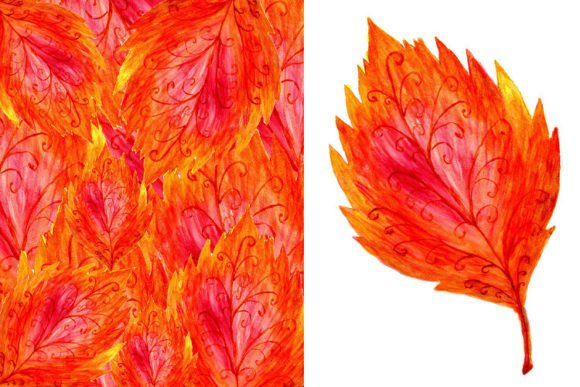
The Autumn Leaf in Watercolor is more than just a seasonal decoration; it is a timeless artistic motif that captures the fleeting beauty of nature. When an artist paints this subject, they are not merely replicating a shape but attempting to capture the specific way light filters through drying foliage and the delicate transition from green to gold, crimson, and rust. This hand-drawn illustration style relies on the unique properties of water and pigment, creating soft edges, organic gradients, and a sense of movement that digital tools often struggle to mimic perfectly.
For many, the appeal lies in the imperfection. Unlike vector graphics or rigid illustrations, a watercolor leaf has a fluidity that feels alive. The way the paint pools at the edges or bleeds into the paper creates a texture that invites the viewer to look closer. Whether you are a professional designer looking for a specific aesthetic or a hobbyist trying to master a new technique, understanding the nuances of this medium is essential. It serves as a bridge between traditional artistry and modern application, offering a warmth that resonates with audiences across various demographics.
Why Different Audiences See Value in Autumn Imagery
The significance of an autumn leaf illustration varies greatly depending on who is using it. For a beginner artist, the primary value is educational. Working with watercolors to depict leaves teaches control over water flow, color mixing, and patience. The process forces the creator to slow down and observe the subtle variations in nature, turning a simple drawing exercise into a lesson in observation and technique. The joy comes from the discovery of how different pigments interact, making the learning curve part of the fun.
In contrast, a professional graphic designer or freelancer views the same asset through a lens of utility and commercial viability. They are less concerned with the learning process and more focused on the final output's quality and versatility. For these users, a high-resolution JPG of an autumn leaf must be crisp enough for print media yet flexible enough to be layered in complex compositions. They evaluate the image based on its color accuracy, the resolution of the file, and how well it integrates with typography or other design elements without losing its organic charm.
Priorities for Creators and Entrepreneurs
For entrepreneurs and small business owners, the decision to use autumn-themed watercolor art often hinges on brand identity and emotional connection. A bakery might use a painted leaf to signal a cozy, homemade vibe, while a tech startup might use it sparingly to add a touch of humanity to their holiday marketing campaigns. These users prioritize flexibility and presentation. They need assets that can be scaled from a small social media icon to a large banner without pixelation. The "hand-drawn" aspect adds a layer of authenticity that consumers increasingly crave in a world of mass-produced digital content.
Marketers and bloggers face similar challenges but with a focus on engagement. An autumn leaf illustration can break up text-heavy articles, provide visual interest in newsletters, or serve as a header for seasonal blog posts. Their priority is often speed and reliability. They need images that load quickly on mobile devices and convey the right mood instantly. A well-chosen watercolor leaf can stop a user from scrolling past, signaling a shift in tone from informational to festive or reflective.
Evaluating Quality and Long-Term Usefulness
When selecting assets like the six high-resolution JPG images mentioned, different groups have distinct criteria for what constitutes "good." Hobbyists might prioritize the artistic expression and the uniqueness of each brushstroke. They may prefer images that show the texture of the paper or the visible brush marks, valuing the human touch over perfect symmetry. For them, the cost is often secondary to the opportunity to learn or create something beautiful.
However, publishers and educators must consider long-term usefulness and licensing. If they are creating a textbook on botany or a seasonal curriculum, the images must be clear, accurate, and legally safe to use. They need to ensure that the colors remain consistent when printed in black and white or grayscale, if necessary. The commercial value of the image becomes paramount here; a generic clip-art style leaf might save money upfront but could damage credibility if the project requires a premium feel.
- Ease of Use: Beginners need resources that allow for quick experimentation without needing expensive equipment. Digital versions of watercolor styles offer this convenience.
- Cost vs. Quality: Professionals often find that investing in high-quality, original illustrations saves time in the long run by reducing the need for extensive editing.
- Creativity: The organic nature of watercolor allows for unexpected results, which can inspire creative directions that rigid digital tools cannot.
Practical Applications Across Industries
Consider a wedding planner designing invitations. They might choose a watercolor leaf to evoke romance and nostalgia, knowing that the soft edges will complement calligraphy fonts beautifully. Here, the aesthetic is the most critical factor. The image must feel intimate and personal.
Conversely, a retail store owner launching a fall collection needs visuals that pop. They might use the colorful autumn leaf as a badge on a website or a tag on a product page. In this scenario, the contrast and vibrancy of the colors are key. The leaf must stand out against the background to draw attention to sales or new arrivals.
Even consumers who are not creators benefit from this art form. When they see a beautifully illustrated menu in a restaurant or a greeting card from a friend, they experience a moment of delight. The effort put into the hand-drawn element signals care and thoughtfulness. This emotional resonance is why the Autumn Leaf in Watercolor remains a staple in design, transcending its role as a mere decorative element to become a symbol of seasonal appreciation.
Making the Right Choice for Your Project
If you are unsure whether to incorporate this style into your work, ask yourself about your goals. Are you looking to teach a skill? Then focus on the process and the learning value. Are you trying to sell a product? Then prioritize the clarity and commercial appeal of the image. Do you want to build a community? Use the art to foster a sense of shared appreciation for nature and creativity.
The beauty of the Autumn Leaf in Watercolor lies in its adaptability. It can be subtle and understated or bold and vibrant, depending on the palette chosen. By understanding how different audiences interact with this imagery, you can select the right version for your needs. Whether it is a beginner practicing their strokes or a seasoned marketer crafting a campaign, the goal remains the same: to bring the warmth of autumn into a visual format that connects with people on a deeper level.
Ultimately, the decision comes down to intent. If you value authenticity, the organic imperfections of watercolor are a strength. If you need precision and scalability, high-resolution digital files that mimic this style offer the best of both worlds. By aligning your choice with your specific priorities—be it cost, quality, or creative freedom—you can ensure that the artwork enhances your project rather than distracting from it. The result is a piece of content that feels genuine, effective, and timeless.