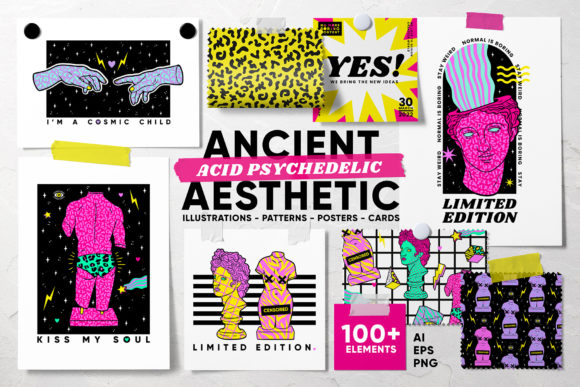
Acid Psychedelic Ancient Aesthetic: A Practical Guide to Blending Classical Form with Trippy Modernity
In the rapidly evolving landscape of digital design, finding a visual language that commands attention while maintaining artistic integrity is a constant challenge. Designers, illustrators, and creative directors are increasingly moving away from generic templates toward styles that offer depth, narrative, and immediate visual impact. One such style gaining significant traction is the Acid Psychedelic Ancient Aesthetic. This unique fusion combines the solemn grandeur of classical antiquity with the disorienting, vibrant energy of psychedelic art. For professionals evaluating resources for their next project, understanding this aesthetic is not just about following a trend; it is about leveraging a specific set of visual tools that bridge historical reverence and modern surrealism.
Defining the Acid Psychedelic Ancient Aesthetic
To evaluate whether this aesthetic fits your project, one must first understand its constituent parts. The term describes a thematic collection of illustrations and decorative elements that merge two seemingly disparate worlds. On one side, there is the Greek sculpture influence, characterized by idealized human forms, marble textures, and architectural elements like arches, stairs, and columns. These elements evoke stability, history, and timeless beauty. On the other side lies the psychedelic trippy style, which introduces surreal distortions, neon bright colors, and geometric shapes that disrupt the viewer’s perception.
The result is a striking contrast. Imagine a classical statue rendered in electric violet or acid green, surrounded by floating geometric primitives or melting into a surreal dreamscape. This aesthetic does not merely overlay color on old images; it recontextualizes ancient symbols through a modern, often chaotic lens. It is a style that feels both familiar and alien, making it particularly effective for brands or projects that wish to convey innovation rooted in tradition, or chaos contained within structure.
Core Components and Asset Utility
When researchers look for resources to implement this style, they are rarely looking for simple stock photos. They need versatile assets that can be manipulated. The Ancient Acid Psychedelic Aesthetic collection typically provides a comprehensive suite of ready-made elements designed for immediate use and further customization. Understanding the breakdown of these assets helps in determining their value for different workflows.
- Clip Art Elements: A robust library, often containing around 50 distinct elements, allows designers to pick and choose specific motifs. Whether you need a fragment of a Greek column, a surreal eye, or a geometric pattern, having individual vector components ensures flexibility.
- Pre-made Cards: For social media or print-on-demand applications, having 20 pre-designed cards with editable text saves significant time. These serve as excellent starting points for marketing campaigns or event promotions.
- Posters and T-Shirt Designs: Eight fully realized designs provide inspiration for apparel and large-format prints. These are particularly useful for streetwear brands or music festivals where bold, graphic statements are required.
- Seamless Patterns: With 21 seamless patterns included, surface pattern design becomes effortless. These are essential for textile design, wallpaper creation, and background textures for web interfaces.
The inclusion of a PDF file listing used fonts is a critical detail often overlooked. Typography plays a massive role in anchoring the aesthetic. Knowing exactly which typefaces complement the classical yet trippy vibe allows for consistent branding across all materials.
Technical Specifications and Workflow Efficiency
For professional designers, the technical format of an asset is as important as its visual appeal. The Ancient Acid Psychedelic Aesthetic collection stands out because it prioritizes workflow efficiency through high-quality file formats. Unlike raster-only packs, this collection offers vector files in AI and EPS formats alongside high-resolution PNGs.
The ability to edit each element is a key decision factor. Vector files allow for infinite scaling without quality loss, meaning a design created for a business card can be expanded to a billboard without pixelation. Furthermore, the ease of recoloring vector assets is crucial. Since the aesthetic relies heavily on "neon bright colors," a designer might need to adjust hues to match a specific brand palette. With AI and EPS files, this process is non-destructive and rapid.
Additionally, the provision of PNG files with transparent backgrounds at 300 DPI ensures that these elements can be dropped into existing projects seamlessly. This dual-format approach caters to both vector-based workflows (Adobe Illustrator, CorelDRAW) and raster-based needs (Photoshop, Procreate), making the resource adaptable to various software preferences.
Comparative Analysis: When to Choose This Aesthetic
Evaluating the Ancient Acid Psychedelic Aesthetic requires comparing it against other popular contemporary styles. How does it stack up against minimalist modernism, retro vintage, or standard cyberpunk?
Vs. Minimalist Modernism
Minimalist design focuses on reduction, negative space, and muted palettes. In contrast, the Acid Psychedelic Ancient Aesthetic is maximalist. It thrives on complexity, saturation, and intricate detail. If your goal is to create a clean, corporate, or calming user interface, this aesthetic may be overwhelming. However, if you are designing for a creative agency, an art gallery, or a lifestyle brand targeting a younger, edgier demographic, the high-impact nature of this style offers a distinct advantage over sterile minimalism.
Vs. Standard Retro/Vintage
Traditional vintage aesthetics often rely on sepia tones, grain, and nostalgic imagery. While they evoke warmth, they can sometimes feel dated or safe. The Acid Psychedelic Ancient Aesthetic takes the structural elements of the past but injects them with futuristic, neon energy. This makes it more suitable for projects that want to reference history without feeling stuck in it. It is "ancient" in form but "modern" in spirit.
Vs. Generic Cyberpunk
Cyberpunk often features gritty urban decay, neon lights, and high-tech low-life themes. While it shares the neon color palette, it lacks the classical sculptural elegance of the Acid Psychedelic Ancient style. The latter offers a sense of nobility and surrealism that pure cyberpunk does not. Choosing between them depends on the narrative: do you want the grit of the future city, or the surreal dream of a melted temple?
Ideal Use Cases and Applications
The versatility of the Ancient Acid Psychedelic Aesthetic allows it to span multiple industries. Here are practical scenarios where this style excels:
- Music and Entertainment: Album covers, concert posters, and festival merchandise benefit greatly from the trippy, immersive qualities of this aesthetic. The combination of classical figures with neon colors mirrors the fusion of orchestral and electronic music trends.
- Fashion and Apparel: Streetwear brands frequently utilize this style for t-shirt designs and graphic tees. The bold graphics translate well to fabric, and the surreal elements spark conversation and engagement.
- Digital Marketing and Social Media: In crowded feeds, static images often get scrolled past. The high contrast and unusual subject matter of Acid Psychedelic Ancient visuals stop the scroll. Pre-made cards and stickers can be quickly adapted for Instagram stories or TikTok overlays.
- Packaging Design: For products like craft beverages, cosmetics, or specialty foods, packaging needs to stand out on the shelf. Seamless patterns and clip art can create unique unboxing experiences that feel luxurious yet unconventional.
- Interior Design and Wallpaper: The 300 DPI resolution and seamless patterns make this collection suitable for creating custom wallpapers or murals, bringing a touch of surreal art into physical spaces.
Limitations and Considerations
No single aesthetic is a universal solution. There are tradeoffs to consider when integrating Ancient Acid Psychedelic Aesthetic into your projects. First, the intensity of the neon colors and complex compositions can clash with brands that prioritize seriousness, medical professionalism, or financial stability. In these sectors, subtlety is preferred over spectacle.
Secondly, while the assets are editable, working with layered vector files requires a certain level of proficiency. Beginners who are unfamiliar with Adobe Illustrator may find the learning curve steeper than using simple drag-and-drop templates. However, the organized folder structure mentioned in the collection details mitigates this somewhat by keeping files logical and accessible.
Finally, cultural sensitivity should be noted. Using Greek sculptures and ancient motifs requires respectful integration. The style leans towards surrealism and artistic interpretation rather than historical accuracy, which generally reduces the risk of misrepresentation, but designers should still ensure the context aligns with their brand values.
Conclusion: Making the Right Choice
The decision to adopt the Ancient Acid Psychedelic Aesthetic hinges on your need for visual distinction and narrative depth. If you are looking for a resource that offers both ready-to-use convenience and deep customization potential, this collection presents a strong case. The combination of 50 clip art elements, 20 cards, 8 poster designs, and 21 seamless patterns provides a comprehensive toolkit.
For designers aged 20–50 who are constantly seeking fresh ways to engage audiences, this aesthetic offers a bridge between the timeless and the trendy. By providing vector files, transparent PNGs, and clear font documentation, it supports a professional workflow from concept to final output. Whether you are creating a viral social media campaign, designing a limited-edition apparel line, or developing a unique brand identity, the Acid Psychedelic Ancient Aesthetic provides the structural foundation and creative spark needed to stand out in a saturated market.